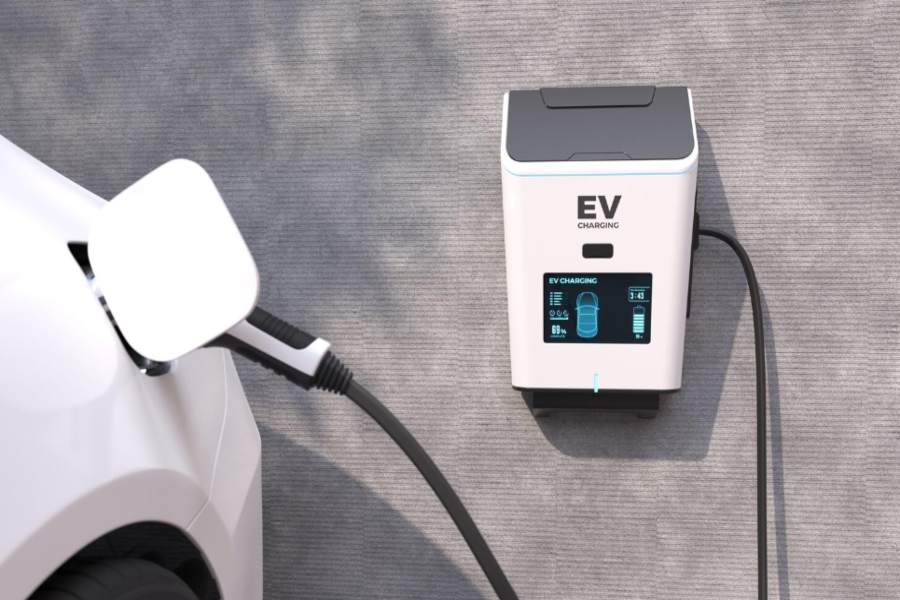
A few years ago, EV charging was treated as a novelty amenity — something a forward-thinking property might install to seem progressive. Today, that framing has flipped entirely. As electric vehicle adoption climbs and buyers, tenants, and employees increasingly factor charging access into where they choose to live, work, or shop, EV charging has quietly moved from “nice to have” to “expected infrastructure.” Properties without it aren’t just missing an amenity anymore — they’re starting to fall behind.
But here’s the part most property owners underestimate: installing a charger is the easy part. Operating it reliably, for years, without becoming an ongoing headache, is where things get complicated.
Why “Just Install a Charger” Isn’t the Whole Story
On the surface, EV charging looks like a straightforward hardware purchase. Buy a charger, mount it, plug it in, done. In reality, a functioning charging system involves several moving parts that have nothing to do with the charger itself: electrical capacity planning, permitting, ongoing maintenance, software for payments and monitoring, customer support for drivers, and a plan for what happens when demand grows and more chargers are needed.
Property owners who buy hardware outright often discover this the hard way. A charger that goes offline needs troubleshooting. A payment system that glitches needs support. A property that outgrows its initial setup needs someone who understands how to scale without redesigning the whole system from scratch. None of this is part of a property manager’s core job, yet all of it becomes their responsibility the moment they own the equipment.
This is the exact gap that turnkey, fully operated charging models were built to close.
The Shift Toward Operated Infrastructure, Not Owned Equipment
Rather than treating EV charging as a purchase, more property owners — particularly in multifamily housing, commercial parking, and workplace settings — are treating it as a managed service. Under this model, a provider handles site assessment, installation, software, and day-to-day operation, while the property simply hosts the infrastructure and benefits from it.
This is essentially the model behind ampaway ev charging solutions, which positions itself around a full-service approach: assessing a site’s electrical capacity and parking layout, handling permitted installation, and then operating and maintaining the system long-term rather than handing it off once the chargers are mounted. Property owners get visibility through a dashboard and a share of the revenue generated, without taking on the maintenance calls, driver support, or billing headaches that typically come with owning charging hardware directly.
Why This Model Matters for Different Property Types
Multifamily housing. Tenants increasingly expect EV charging the same way they’d expect reliable Wi-Fi or in-unit laundry. Buildings that can’t offer it risk losing prospective tenants to properties that can. But apartment operators generally don’t have in-house expertise in electrical infrastructure or charger maintenance — which makes a fully operated model particularly appealing here.
Commercial and retail parking. EV drivers actively choose destinations based on charging availability. A shopping center or office complex with reliable charging can capture additional foot traffic and dwell time, but only if the chargers actually work when customers need them — something that requires consistent monitoring most retail operators aren’t set up to handle themselves.
Fleet operations. Businesses running electric vehicle fleets need predictable, scheduled access to charging that aligns with route timing and vehicle availability. Downtime here isn’t just inconvenient — it directly affects operations, making reliable, professionally maintained infrastructure especially important.
Shared and private parking facilities. Shared spaces introduce their own complications around billing and access control. A managed system that handles usage tracking and payments removes a layer of administrative complexity that would otherwise fall on facility managers.
The Revenue Angle Property Owners Often Miss
Beyond convenience, there’s a financial case that’s easy to overlook. EV charging, when it works reliably, can generate ongoing revenue for a property rather than sitting as a pure cost center. But that revenue only materializes if the system stays operational and drivers trust it enough to keep using it. A charger that’s frequently broken or poorly maintained doesn’t just fail to generate revenue — it actively damages a property’s reputation among EV-driving tenants, employees, or customers.
This is why the operational side of EV charging often matters more than the hardware specs. A property with a slightly less advanced charger that works consistently will outperform one with premium hardware that’s unreliable, simply because usage and trust compound over time.
Looking at the Bigger Picture
EV charging is quickly becoming standard infrastructure, in the same category as parking lot lighting or building security systems — something tenants, customers, and employees expect rather than notice. The properties that get ahead of this shift won’t necessarily be the ones with the most chargers installed, but the ones whose charging systems actually stay dependable over years of use.
For property owners weighing how to approach this, the real decision isn’t just which charger to buy — it’s whether to take on the operational burden of running that infrastructure themselves, or to hand that responsibility to a provider built specifically to manage it long-term. As EV adoption continues to climb, that distinction is likely to matter more, not less, in determining which properties keep pace and which quietly fall behind.